Cities Timeline
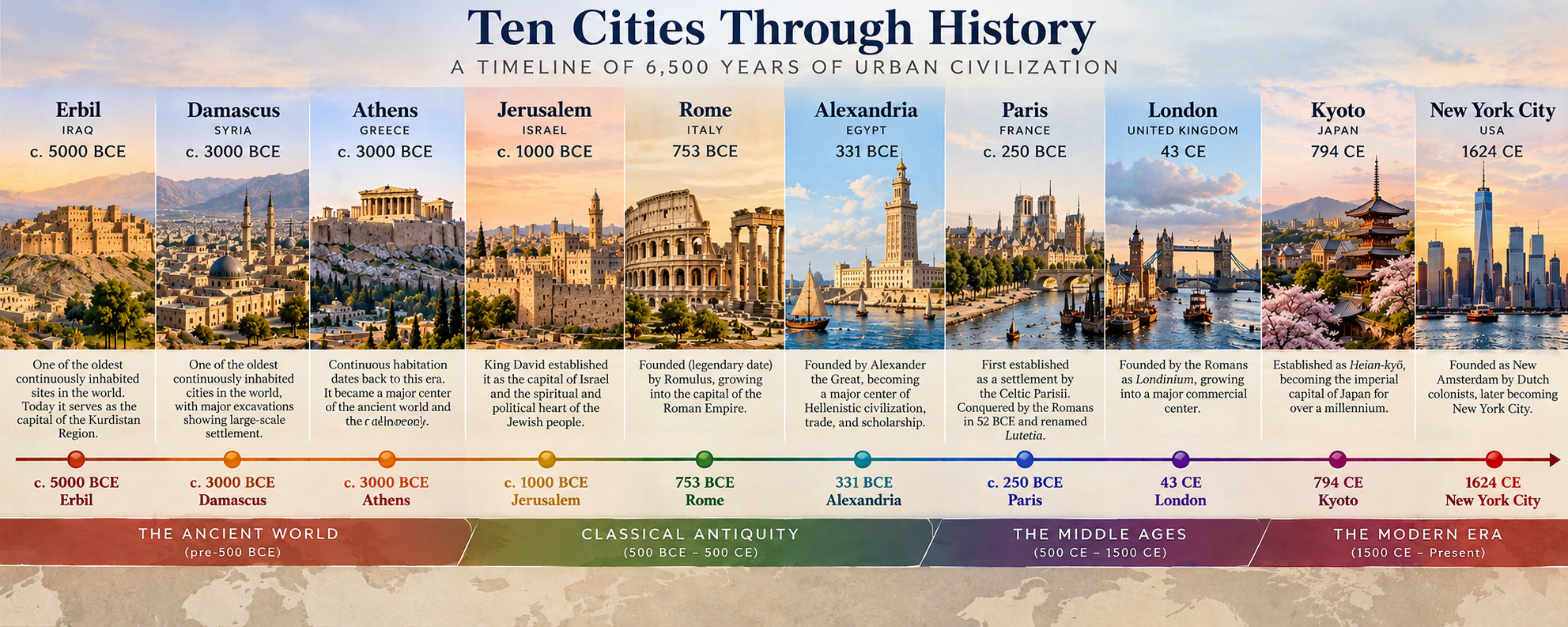
The World’s Historic Cities: A Timeline from Ancient Settlements to Modern Metropolises
From the earliest urban centers of the ancient world to the global cities of today, the history of civilization can be traced through the places where people built communities, developed trade, established governments, and exchanged ideas. Some cities grew around rivers and fertile plains; others emerged as religious centers, imperial capitals, or strategic ports.
This historical timeline explores notable cities across the world in chronological order, highlighting important milestones in their development. Dates refer to the earliest well-supported settlement, a documented founding tradition, or a significant milestone in a city’s history—not necessarily the moment when people first lived in the area. For ancient cities, the precise date of foundation is often uncertain.
A Timeline of the World’s Historic Cities
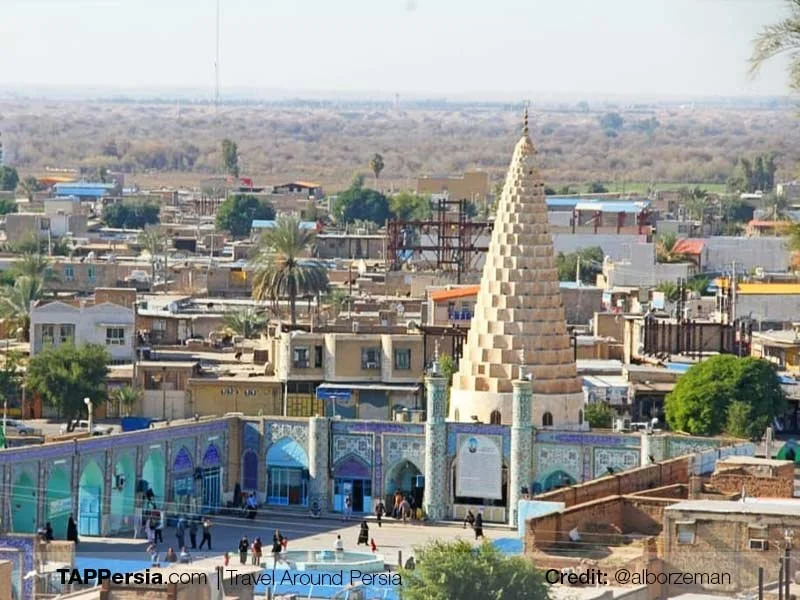
4000 BCE — Susa (Shush), Iran
Located in the Susiana plains of the lower Zagros mountains, Susa is one of the world's oldest continuous ancient cities, with archaeological evidence of village settlement dating back 7,000 years. The city first rose to prominence as the capital of the Elamite civilization, serving as an administrative center that pioneered advancements in writing, architecture, and metallurgy while facilitating exchange between the Iranian plateau and Mesopotamia.
After the Assyrian conquest, Susa was rebuilt and elevated to its greatest historical prominence by the Achaemenid dynasty. Under King Darius the Great, who constructed the Apadana Palace as his primary royal residence, Susa became the central political and administrative capital of the Persian Empire. For centuries, the city functioned as the administrative heart of the kingdom, hosting foreign dignitaries and serving as the strategic staging ground for Achaemenid military campaigns.
Source:
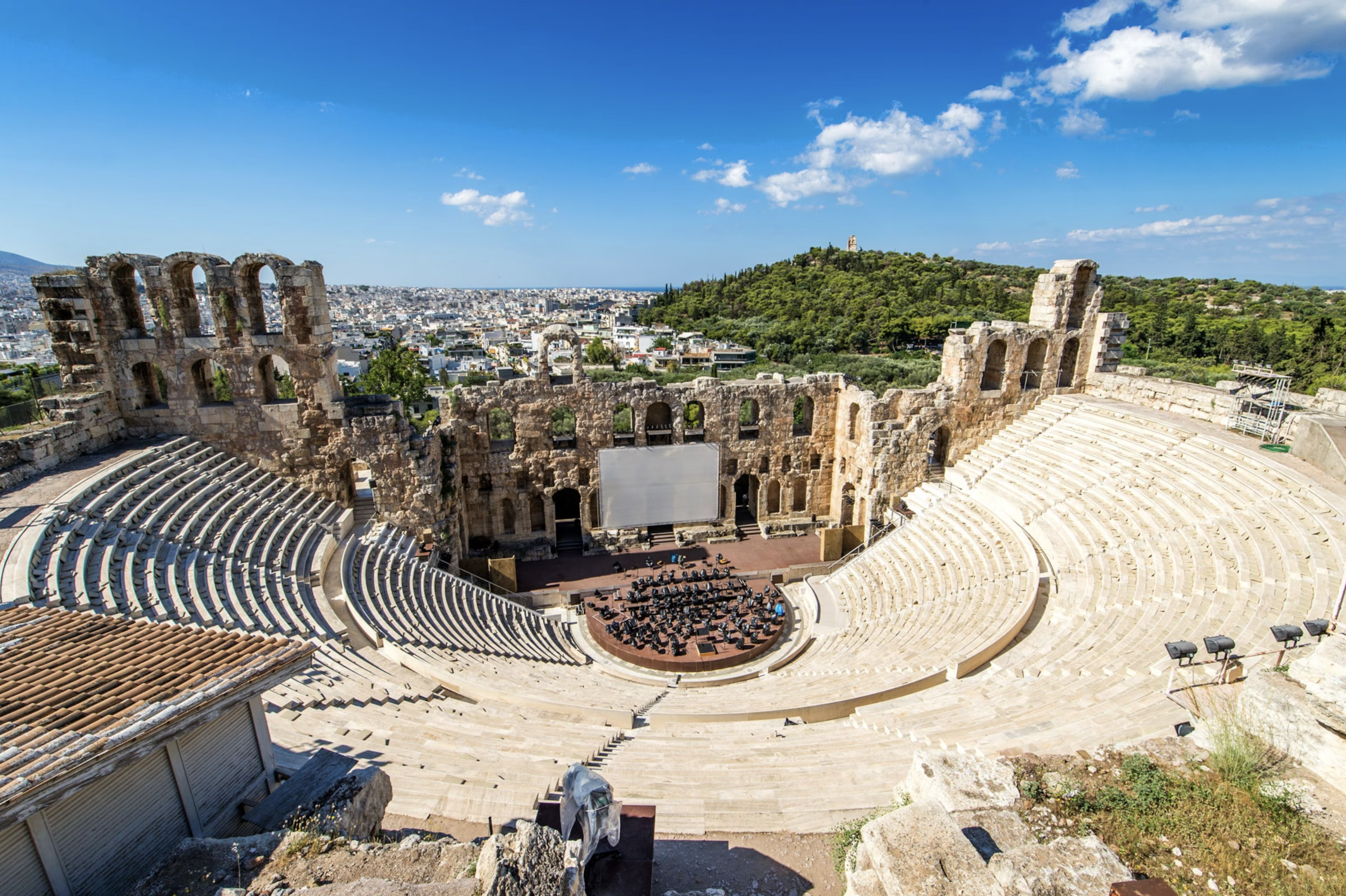
3500 BCE — Athens, Greece
The area around Athens was inhabited in prehistoric times, long before the city became a leading center of ancient Greek civilization. Its settlement developed over many centuries, so no single founding date can be established with certainty.
Athens later became renowned for its influence on philosophy, drama, political thought, architecture, and the arts. Its legacy includes the development of Athenian democracy and monuments such as the Parthenon, which remains one of the most recognizable symbols of classical Greece.
Source:
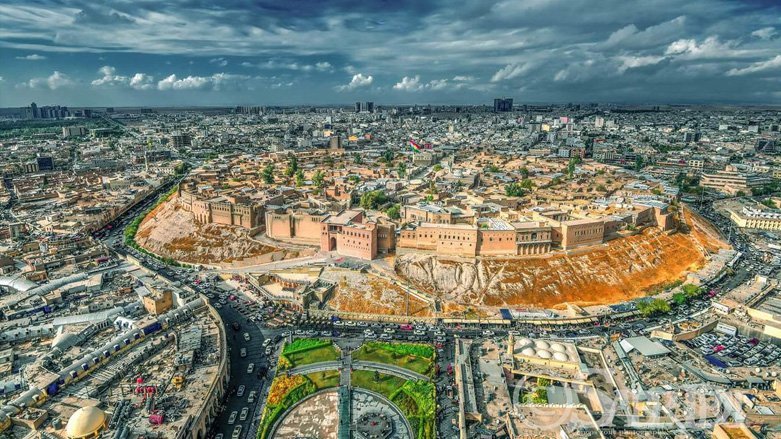
2500 BCE — Erbil, Kurdistan.
Known in antiquity as Arbela, Erbil is one of the oldest historic cities in Kurdistan, with a rich heritage deeply connected to the land and people of the Kurdistan Region of Iraq. At the heart of the city stands Erbil Citadel, rising above the modern streets as a powerful symbol of continuity, resilience, and Kurdish identity. Its layered history reflects thousands of years of settlement, rebuilding, and cultural change.
Erbil holds an important place in the history of ancient Mesopotamia, including the Assyrian era, while today it stands as a vibrant center of Kurdish culture, heritage, and political life. For Kurds, Erbil is more than an ancient city: it is a living symbol of Kurdistan’s enduring history, identity, and hopes for the future.
Source:
https://www.institutkurde.org/info/qui-sont-les-kurdes-s-1232550956
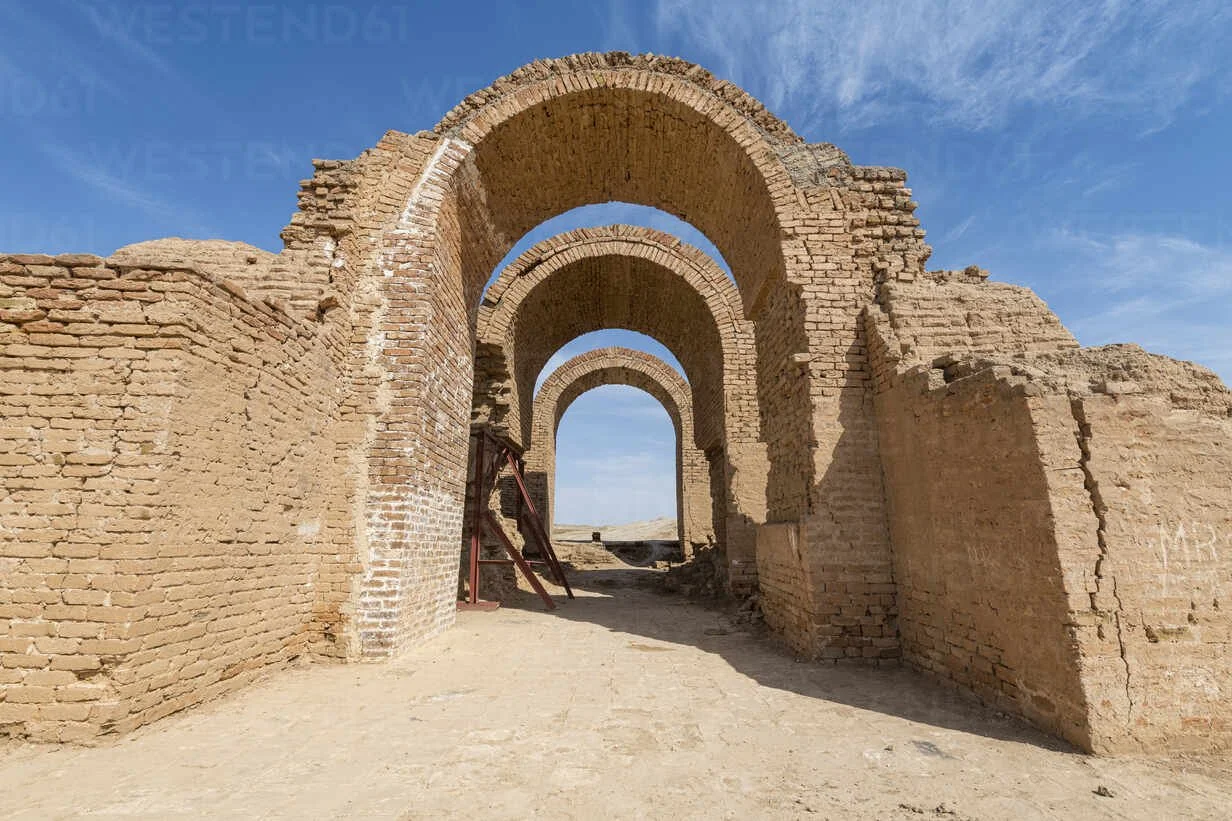
2600 BCE — Ashur, Assyria
Ashur stands at the heart of Assyrian history. Located along the Tigris River in northern Mesopotamia, the ancient city developed into an important urban center during the third millennium BCE. Its name became synonymous with Assyria itself, as well as with Ashur, the principal god of the ancient Assyrian civilization.
Ashur is a foundational part of Assyrian heritage, representing the origins of an enduring civilization with its own language, religious traditions, political institutions, and cultural achievements. It became the first great capital of the Assyrian state and remained its principal religious center even after later kings established imperial capitals at Kalhu and Nineveh. Its temples, inscriptions, and monumental ruins preserve the legacy of ancient Assyria and its place in the history of Mesopotamia.
Source:
https://www.assyrianculture.org/
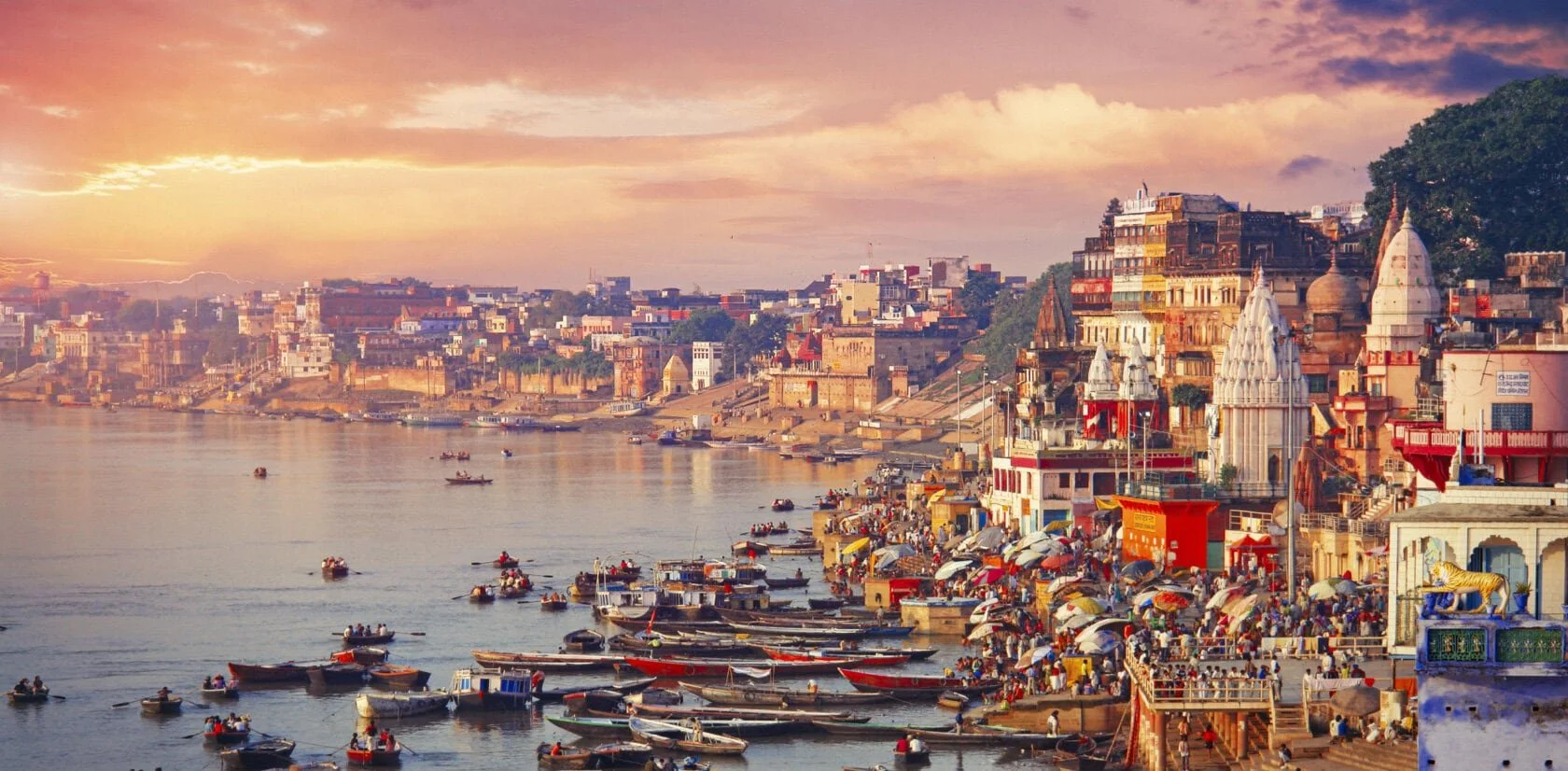
1000 BCE — Varanasi, India
Varanasi, on the banks of the Ganges River, is one of the most important sacred cities in Hindu traditions and a major center of Indian religious and cultural life. Its origins extend into antiquity, although an exact founding date is not firmly established.
Over many centuries, Varanasi became known for its temples, riverfront ghats, scholarship, music, and textile traditions. Pilgrims continue to visit the city for religious ceremonies and rites associated with the Ganges, connecting contemporary life with long-standing spiritual practices.
Historical note: The date above is a broad marker for the city’s ancient past, not a verified foundation year.
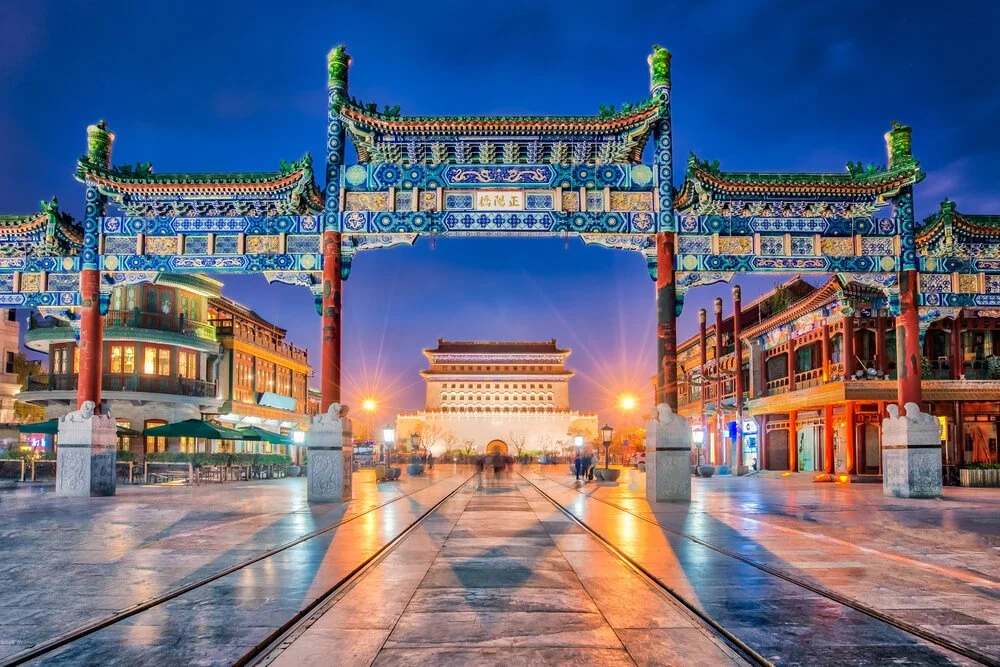
1000 BCE — Beijing, China
The region around modern Beijing has a long history of settlement, but the city developed through several earlier settlements and political centers rather than a single, universally accepted founding event.
Over time, Beijing became an important northern Chinese center and later served as the capital of major dynasties, including the Yuan, Ming, and Qing. Its imperial heritage is visible in the Forbidden City, historic temples, city walls’ former alignments, and traditional neighborhoods.
Historical note: This is an approximate marker for the wider region’s early urban history; it should not be read as a confirmed founding date for modern Beijing.
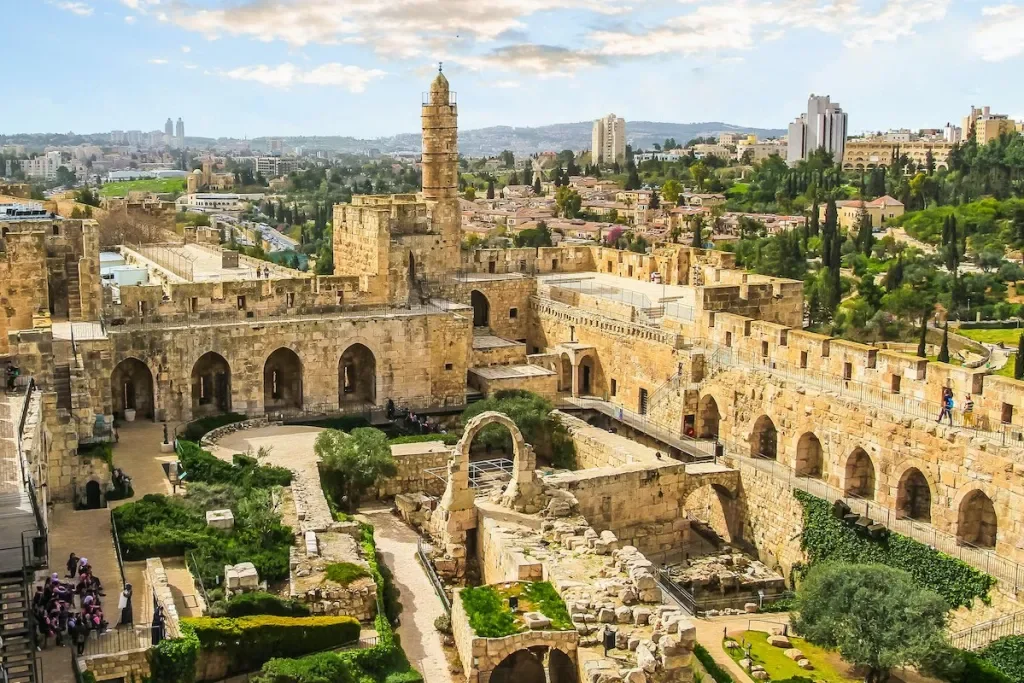
1000 BCE — Jerusalem, Israel
Before the 10th century BCE, the Israelites lived as a confederation of twelve distinct tribes, governed by local leaders. This changed when King David unified the tribes into a single, sovereign nation known as the United Monarchy of Israel. He established Jerusalem as its royal capital, forging a centralized political and spiritual heart for the Jewish people.
For over 3,000 years, that millennia-old legacy has endured various conquests by Muslims and Christians, continuing today with Jerusalem as the capital of the modern State of Israel.
Historical Note: Archaeological evidence shows the city was settled prior to King David's reign, dating back to 3000 BCE.
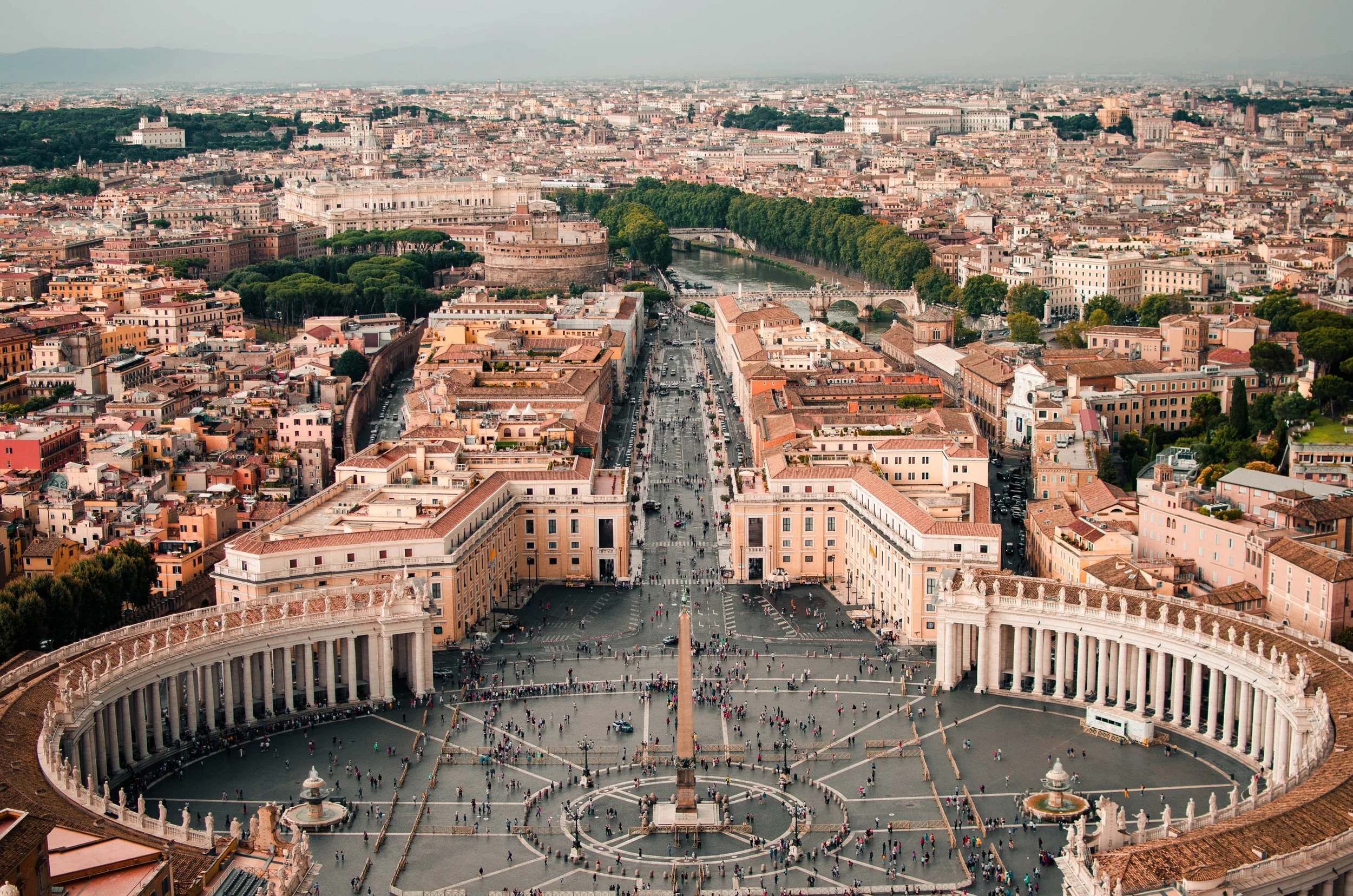
753 BCE — Rome, Italy
Tradition places the founding of Rome in 753 BCE, the date associated with the legend of Romulus and Remus. Archaeological evidence indicates that settlements on Rome’s hills developed over time, meaning the traditional date is not a precise record of a single founding event.
Rome grew from a regional settlement into the capital of the Roman Republic and then the Roman Empire. Its legal systems, engineering, architecture, language, and political institutions profoundly influenced Europe and the Mediterranean world.
Source: UNESCO — Historic Centre of Rome
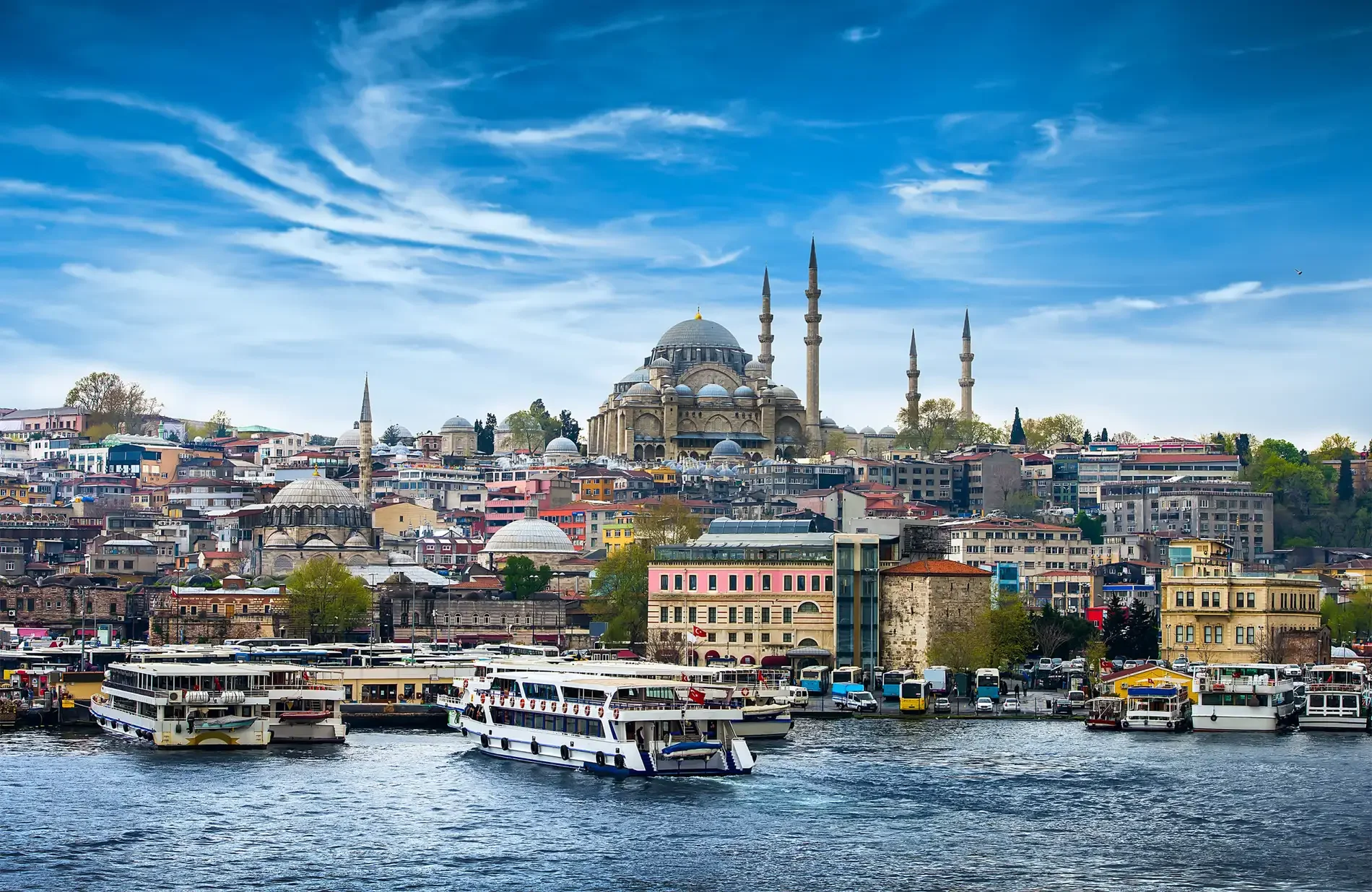
657 BCE — Istanbul, Türkiye
The city now known as Istanbul began as the Greek settlement of Byzantium. Its traditional foundation is usually dated to the seventh century BCE, although ancient accounts differ on the exact year.
Its strategic position between Europe and Asia made it an exceptional center for trade and imperial power. Renamed Constantinople under Roman rule, it became the capital of the Byzantine Empire and later the Ottoman Empire. Today, Istanbul’s historic landmarks reflect this layered Greek, Roman, Byzantine, and Ottoman past.
Historical note: The date is a traditional foundation marker for Byzantium, not the founding date of the modern city under its present name.
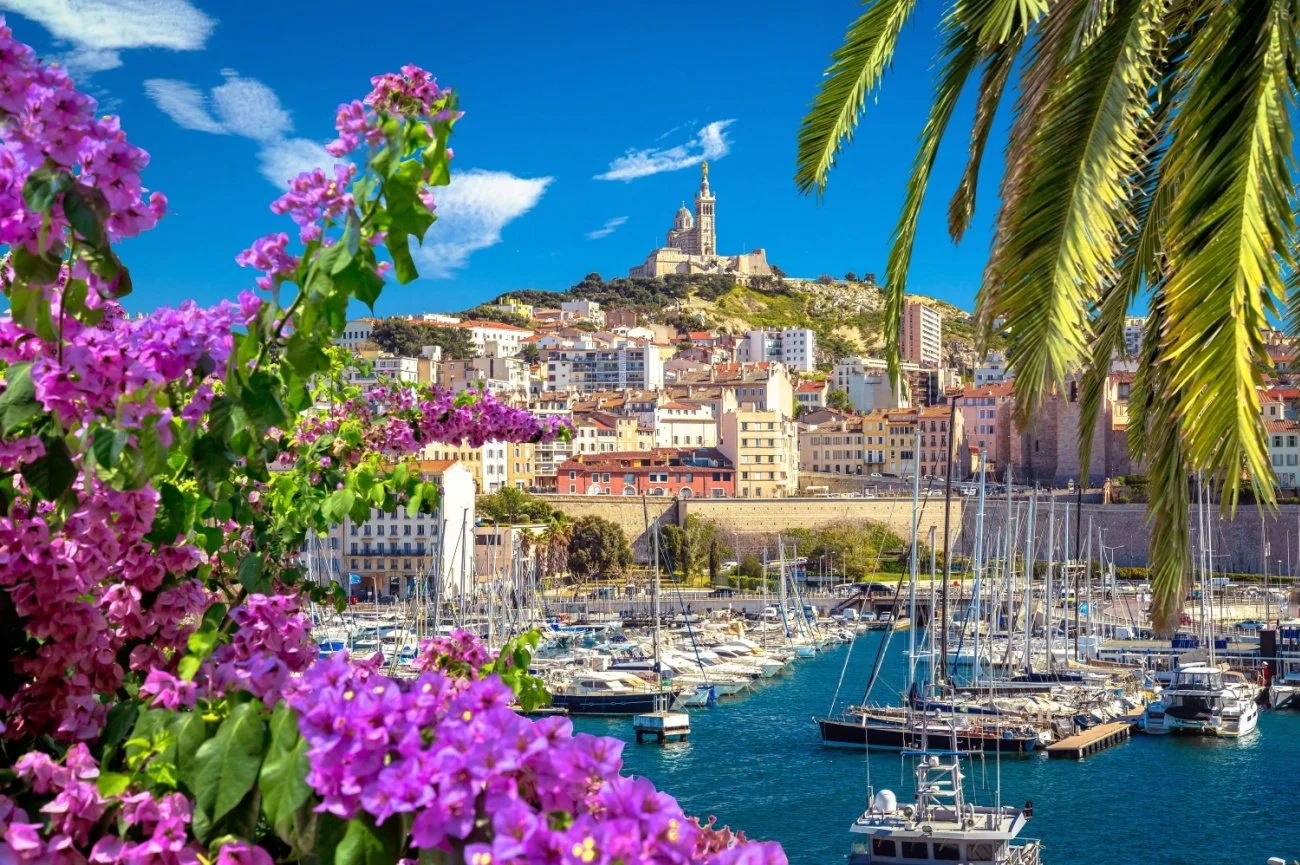
600 BCE — Marseille, France
Marseille traces its traditional origins to the Greek colony of Massalia, established by settlers from Phocaea around 600 BCE. Its natural harbor made it an important point of connection between the Mediterranean and inland Europe.
The city became a center for maritime trade and cultural exchange and later developed under Roman, medieval, and modern French rule. Its long port history remains central to its identity as one of France’s major Mediterranean cities.
Source: Marseille — Official City Website
332 BCE — Alexandria, Egypt
Founded by Alexander the Great in 332 BCE, Alexandria became one of the leading cities of the Hellenistic world. Its location on Egypt’s Mediterranean coast connected the Nile Valley with shipping routes across the sea.
Under the Ptolemaic dynasty, Alexandria became famous for its intellectual institutions, including the ancient Library of Alexandria and the Mouseion. It developed into a major center of scholarship, commerce, and cultural exchange, bringing together Egyptian, Greek, and other Mediterranean traditions.
Source: Encyclopaedia Britannica — Alexandria
85 BCE — As-Suwayda, Syria
As-Suwayda, in the historic region of Jabal al-Druze in southern Syria, is one of the most significant cultural and historical centers of the Druze community. Its roots reach back to antiquity, when the city was known as Soada and later as Dionysias under Roman rule. Archaeological remains across the city and the wider Hauran region testify to centuries of settlement, cultural exchange, and local history.
For the Druze, As-Suwayda is more than an ancient city: it is a heartland of community, heritage, and identity. The surrounding Jabal al-Druze became a defining center of Druze life, preserving distinctive traditions and a strong connection to the land. The region also holds an important place in modern Syrian history. In 1925, Druze leader Sultan Pasha al-Atrash led an uprising against the French Mandate that grew into the Great Syrian Revolt, becoming a major chapter in the struggle against colonial rule.
Today, As-Suwayda remains closely associated with Druze culture, collective memory, and the enduring history of the people of Jabal al-Druze. Its ancient ruins and living communities connect the region’s past with its continuing place in the cultural story of Syria.
52 BCE — Paris, France
The history of Paris reaches back to the settlement of the Parisii, a Celtic people associated with the area around the Seine. In 52 BCE, Roman forces conquered the region during Julius Caesar’s campaigns in Gaul. The Roman settlement of Lutetia subsequently developed on and around the Île de la Cité and the Left Bank.
Over the centuries, Paris grew into a political, intellectual, and cultural center of France. Its influence expanded through medieval scholarship, royal patronage, the Enlightenment, and modern art, architecture, and fashion.
Historical note: 52 BCE marks the Roman conquest of the region, not a definitive founding date for Paris.
Source: Encyclopaedia Britannica — Paris
15 BCE — Barcelona, Spain
Barcelona developed from the Roman colony of Barcino, established during the reign of Emperor Augustus around the late first century BCE. Remains of Roman walls, columns, and streets can still be found in the city’s historic center.
Its position on the Mediterranean helped it develop as a trading port. Barcelona later became an important center of Catalan culture and commerce, with a distinctive architectural heritage ranging from medieval Gothic buildings to the modernist works of Antoni Gaudí.
Source: Barcelona City Council — History of Barcelona
1st Century CE — As-Suwayda, Syria
In southern Syria, As-Suwayda is associated with the ancient city of Dionysias, which developed in the Roman period. The surrounding region, known for its dark volcanic basalt stone, preserves archaeological remains reflecting centuries of settlement and cultural exchange.
Dionysias was part of a wider network of towns in the Hauran region, where local traditions interacted with Hellenistic and Roman influences. The exact chronology of the city’s early development is less securely established than that of some better-documented ancient capitals.
Historical note: This entry refers to the Roman-era city associated with modern As-Suwayda; the date is approximate.
50 CE — London, United Kingdom
London emerged as the Roman settlement of Londinium in the first century CE, shortly after the Roman invasion of Britain. Its position on the River Thames made it a useful crossing point and a growing hub for trade and administration.
Roman London developed roads, public buildings, a waterfront, and defensive walls. The settlement changed substantially after Roman rule ended, but London later grew into England’s political and commercial center and ultimately one of the world’s major financial and cultural cities.
Source: Museum of London — Roman London Timeline
794 CE — Kyoto, Japan
Kyoto became Japan’s imperial capital in 794 CE, when Emperor Kanmu established Heian-kyō. Planned according to principles influenced by Chinese capital-city design, it became a center of imperial court life, literature, religion, and the arts.
Although political power later shifted to other cities, Kyoto remained an important cultural heart of Japan. Its temples, shrines, gardens, traditional neighborhoods, and seasonal festivals preserve a rich heritage shaped over more than a millennium.
Source: Kyoto City — Official Website
860 CE — Madrid, Spain
Madrid developed as a fortified settlement during Muslim rule in the Iberian Peninsula, generally associated with the ninth century and the reign of the emir Muhammad I. Its early defensive role reflected its position within the wider network of settlements around the central Iberian plateau.
Madrid grew considerably after becoming the Spanish royal court’s permanent seat in the sixteenth century. It is now Spain’s capital and a major center of government, art, education, and business.
Historical note: The ninth-century date is approximate; Madrid’s early development was gradual.
Source: Encyclopaedia Britannica — Madrid
969 CE — Cairo, Egypt
Cairo was founded in 969 CE by the Fatimid dynasty as a new political center in Egypt. It developed beside older settlements, including Fustat, which had been established following the Arab conquest of Egypt in the seventh century.
Cairo became a major center of Islamic scholarship, trade, architecture, and government. Its historic districts contain mosques, madrasas, markets, and monuments that illustrate its growth across Fatimid, Ayyubid, Mamluk, Ottoman, and modern periods.
Source: UNESCO — Historic Cairo
1147 CE — Moscow, Russia
Moscow appears in written records in 1147, the date conventionally used as its first documented mention. The settlement expanded over time and became the center of a powerful principality during the medieval period.
Moscow’s political importance increased as it consolidated territory and eventually became the capital of the Russian state. Its historic center, including the Kremlin and Red Square, reflects the city’s central role in Russian political and cultural history.
Historical note: 1147 is the earliest widely cited written reference, not proof that the settlement was founded that year.
Source: Encyclopaedia Britannica — Moscow
1325 CE — Mexico City, Mexico
The Mexica people traditionally founded Tenochtitlan in 1325 on an island in Lake Texcoco. The city grew into the capital of the Aztec Empire, with temples, causeways, canals, markets, and sophisticated systems for managing water and food production.
After the Spanish conquest in 1521, a new colonial city was built over much of Tenochtitlan. Modern Mexico City developed from this layered history, combining Indigenous heritage, colonial architecture, and the institutions of an independent Mexico.
Historical note: 1325 is the traditional founding date of Tenochtitlan, the predecessor of modern Mexico City.
Source: Encyclopaedia Britannica — Mexico City
1457 CE — Tokyo, Japan
The milestone associated with Tokyo in 1457 is the construction of Edo Castle by the military commander Ōta Dōkan. The settlement of Edo developed around the castle and later became the seat of the Tokugawa shogunate in 1603.
Edo grew into one of the world’s largest cities during the early modern period. It was renamed Tokyo, meaning “Eastern Capital,” when the imperial capital shifted there in 1868. Today, Tokyo is a global center of technology, finance, transport, and culture.
Historical note: 1457 marks the construction of Edo Castle, not the founding of Tokyo as a modern city.
Source: Encyclopaedia Britannica — Tokyo
16th Century CE — Deir el Qamar, Lebanon
Deir el Qamar, a historic village in Lebanon’s Chouf region, flourished as a political and cultural center under the local emirs who governed Mount Lebanon in the early modern period. Its traditional stone houses, palaces, religious buildings, and central square reflect the area’s layered architectural and religious heritage.
Unlike cities with a single recorded foundation year, Deir el Qamar’s development took place over time. Its importance is particularly associated with the period when it served as a seat of local government and a center of regional life.
Historical note: The sixteenth century is a broad period marker for its prominence, not a verified founding date.
1554 CE — São Paulo, Brazil
São Paulo traces its conventional founding date to 25 January 1554, when Jesuit missionaries established a mission and school at the site now known as Pátio do Colégio. The settlement began as a small colonial outpost on the Brazilian plateau.
It grew dramatically during later centuries, particularly with the expansion of coffee production, immigration, and industrialization. Today, São Paulo is Brazil’s largest city and one of Latin America’s leading economic and cultural centers.
Source: São Paulo City Hall — Official Website
1598 CE — Isfahan, Iran
Isfahan has a long history predating the early modern period, but its most celebrated era began when Safavid ruler Shah Abbas I made it the empire’s capital in 1598. The city was transformed through monumental architecture, gardens, bridges, and carefully planned public spaces.
Naqsh-e Jahan Square, the Shah Mosque, and the historic bazaar are among the landmarks that express Isfahan’s role as a center of Persian art, architecture, trade, and statecraft.
Historical note: 1598 marks Isfahan’s rise as the Safavid capital, not the city’s original foundation.
Source: UNESCO — Meidan Emam, Esfahan
1624 CE — New York City, United States
European settlement in what is now New York City began under Dutch colonial rule in the seventeenth century. The Dutch established New Netherland, and New Amsterdam developed at the southern tip of Manhattan. The year 1624 is often used as an early milestone for the colony’s settlement.
The English took control in 1664 and renamed the settlement New York. Over subsequent centuries, its harbor, immigration, finance, commerce, and cultural industries helped make it one of the world’s most influential cities.
Historical note: 1624 refers to the early Dutch colonial settlement in the region; the development of New Amsterdam and modern New York unfolded over time.
Source: New York City Municipal Archives — New Amsterdam
1788 CE — Sydney, Australia
Sydney was established as a British penal colony in 1788, following the arrival of the First Fleet. However, the region had been home to Aboriginal peoples, including the Gadigal people of the Eora Nation, for tens of thousands of years before British colonization.
From its colonial beginnings, Sydney expanded into a major port and eventually Australia’s largest city by population. Its harbor, landmarks, and diverse communities have shaped its modern identity, while recognition of Aboriginal history remains essential to understanding the place.
Historical note: 1788 marks British colonial establishment, not the beginning of human history in the Sydney region.
Source: City of Sydney — Aboriginal Histories
1833 CE — Dubai, United Arab Emirates
Dubai developed as a settlement around Dubai Creek, where fishing, pearling, maritime trade, and regional commerce supported local communities. The year 1833 is an important political milestone, associated with the settlement of the Al Maktoum family in Dubai.
During the twentieth century, the city expanded through trade, infrastructure development, and the discovery of oil. Investment in aviation, tourism, finance, logistics, and real estate later helped transform Dubai into a globally connected metropolis.
Historical note: 1833 marks a key milestone in Dubai’s political history, not the earliest human settlement in the area.
Source: Dubai Government Media Office — The Emirate of Dubai
Why These Cities Matter in World History?
The timeline shows that cities do not all follow the same path. Some grew gradually from early settlements; others were established as colonies, religious centers, or royal capitals. Their histories also reveal how trade routes, rivers, coastlines, migration, conquest, and political power shaped urban development.
Several important distinctions help make a timeline like this historically reliable:
Settlement is not the same as founding. Archaeological evidence can show that people lived in an area long before a city is mentioned in written records.
Traditional dates are not always verified dates. Rome’s traditional founding year and Tenochtitlan’s traditional founding date are useful historical markers, but they are not equivalent to modern documentary records.
A city can become important long after its origins. Isfahan’s rise as a Safavid capital and Tokyo’s development around Edo Castle are examples of milestones in a city’s growth rather than its first settlement.
Modern cities often have older names and predecessors. Istanbul grew from Byzantium and Constantinople; Mexico City developed over Tenochtitlan; and London emerged from Roman Londinium.
Taken together, these cities illustrate the continuing importance of urban centers as places where civilizations develop, interact, and leave lasting cultural legacies.
Cities as Living Records of Human History
From early settlements in Mesopotamia to the world's great modern capitals, cities provide a record of humanity's changing political, economic, social, and cultural life.
Erbil, Susa, Damascus, Athens, Rome, Cairo, Beijing, and many other cities demonstrate the diversity of urban development. Jerusalem stands out for its exceptional religious and historical significance and for its enduring place in Jewish history and the wider history of the region.
The dates in this timeline represent different milestones, from early archaeological evidence to traditional founding accounts and the establishment of capitals. They should be read as starting points for historical exploration, not as definitive answers to every question about a city's origins.
By combining archaeological evidence, historical texts, architecture, and cultural traditions, we can better understand how cities emerged, changed, and helped shape the civilizations that followed.
Selected Historical and Archaeological References
UNESCO World Heritage Centre — archaeological sites and historic cities.
Middle Bronze Age Jerusalem: Recalculating Its Character and Chronology — Radiocarbon — peer-reviewed radiocarbon research.
Radiocarbon Chronology of Iron Age Jerusalem — PubMed — peer-reviewed research on Jerusalem's Iron Age chronology.
Persepolis — UNESCO — construction of the royal terrace beginning around 518 BCE.
Roman London Timeline — London Museum — historical development of Londinium.
City of Marseille — municipal information on Marseille's history.
City of Kyoto — official information on Kyoto's history.