Jerusalem, Judea, and Samaria: The Indigenous Historical Heartland of Israel
Discover the unbreakable geographic, historical, and legal bond between Jerusalem, Judea, and Samaria, and why this ancient heartland is integral to modern Israel.
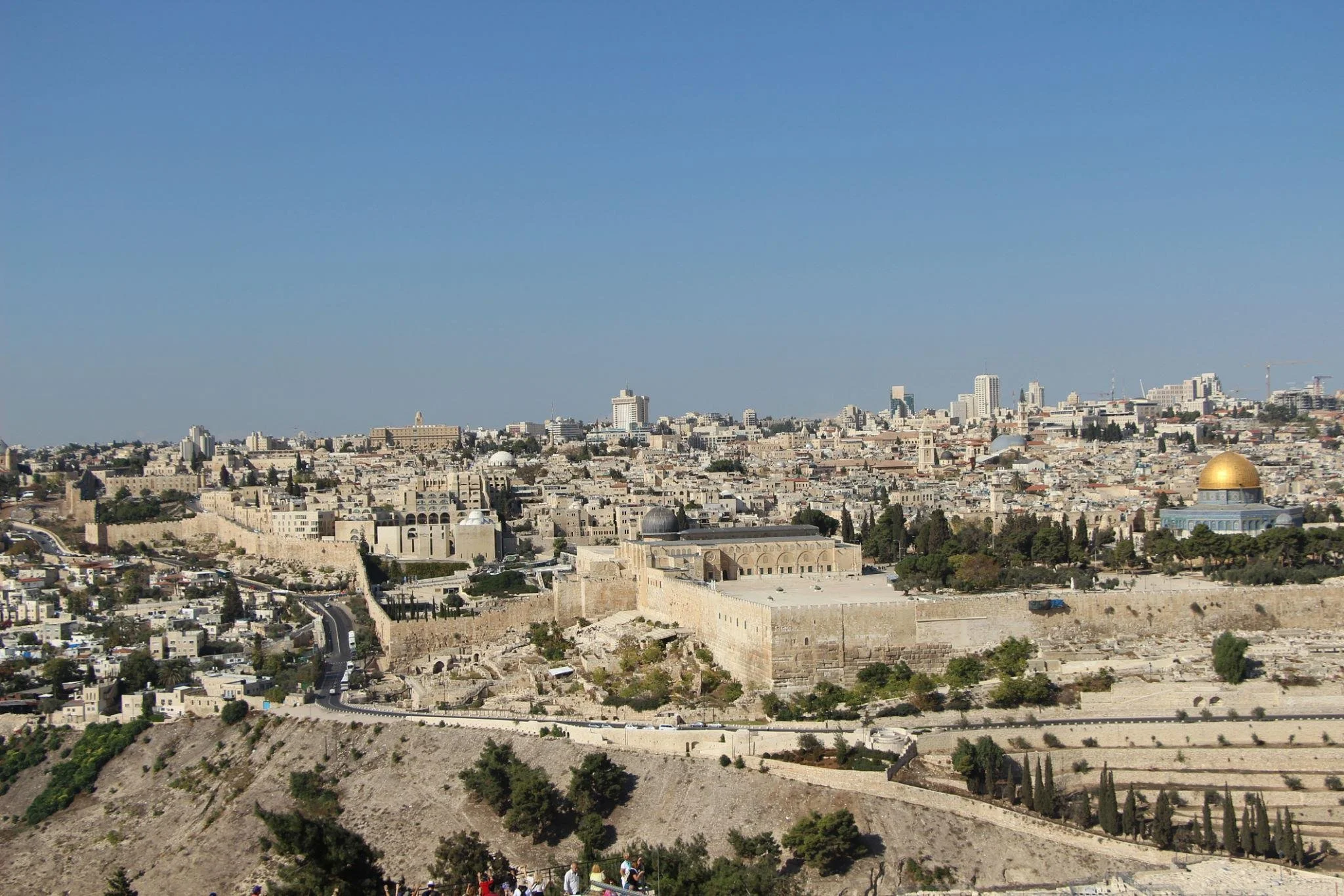
Jerusalem does not exist in a historical vacuum. It is the beating heart of the Land of Israel, the capital that organically bridges the ancient regions of Samaria (Shomron) to the north and Judea (Yehuda) to the south.
For thousands of years, this continuous geographic landscape has served as the cradle of Jewish civilization. Today, understanding this region requires looking past recent geopolitical misnomers and returning to primary sources. Ancient inscriptions, biblical texts, archaeological excavations, and foundational international law all point to one reality:
Judea and Samaria are the indigenous homeland of the Jewish people, and their integration with Jerusalem and the modern State of Israel is a natural historical restoration.
The Continuous Geographic Landscape
From a historical and cultural perspective, Jerusalem and Judea and Samaria are one. The geography of the region forms a single, continuous cultural landscape.
* Judea (Yehuda): Stretching south from Jerusalem, this region encompasses the ancient cities of the patriarchs and the core of the Davidic dynasty.
* Samaria (Shomron): Stretching north from Jerusalem, this region holds the earliest capitals and spiritual centers of the ancient Israelites.
* Jerusalem: The capital serves as the geographical hinge, unifying the northern and southern indigenous populations into a single, cohesive nation.
The Indigenous Connection: The Origin of the Word "Jew"
The historical relationship between the Jewish people and this specific geography is embedded in the Hebrew language itself. The term Yehudi (יהודי), translated globally as “Jew,” is an exact geographic identifier.
The term is derived directly from Yehuda (Judea), the ancient southern kingdom and tribal territory.
* Primary Source (The Book of Esther): Set during the Persian period, the Book of Esther repeatedly uses the term Yehudi to identify the Jewish people. This demonstrates how the indigenous connection to the physical land of Judea became the permanent, global identifier for the nation. To be a "Jew" is, literally and historically, to be a person indigenous to Judea.
Archaeological Primary Sources: Unearthing Jewish Sovereignty
Ancient inscriptions provide independent, undeniable evidence of Jewish sovereignty and presence in Judea, Samaria, and Jerusalem thousands of years before the modern era.
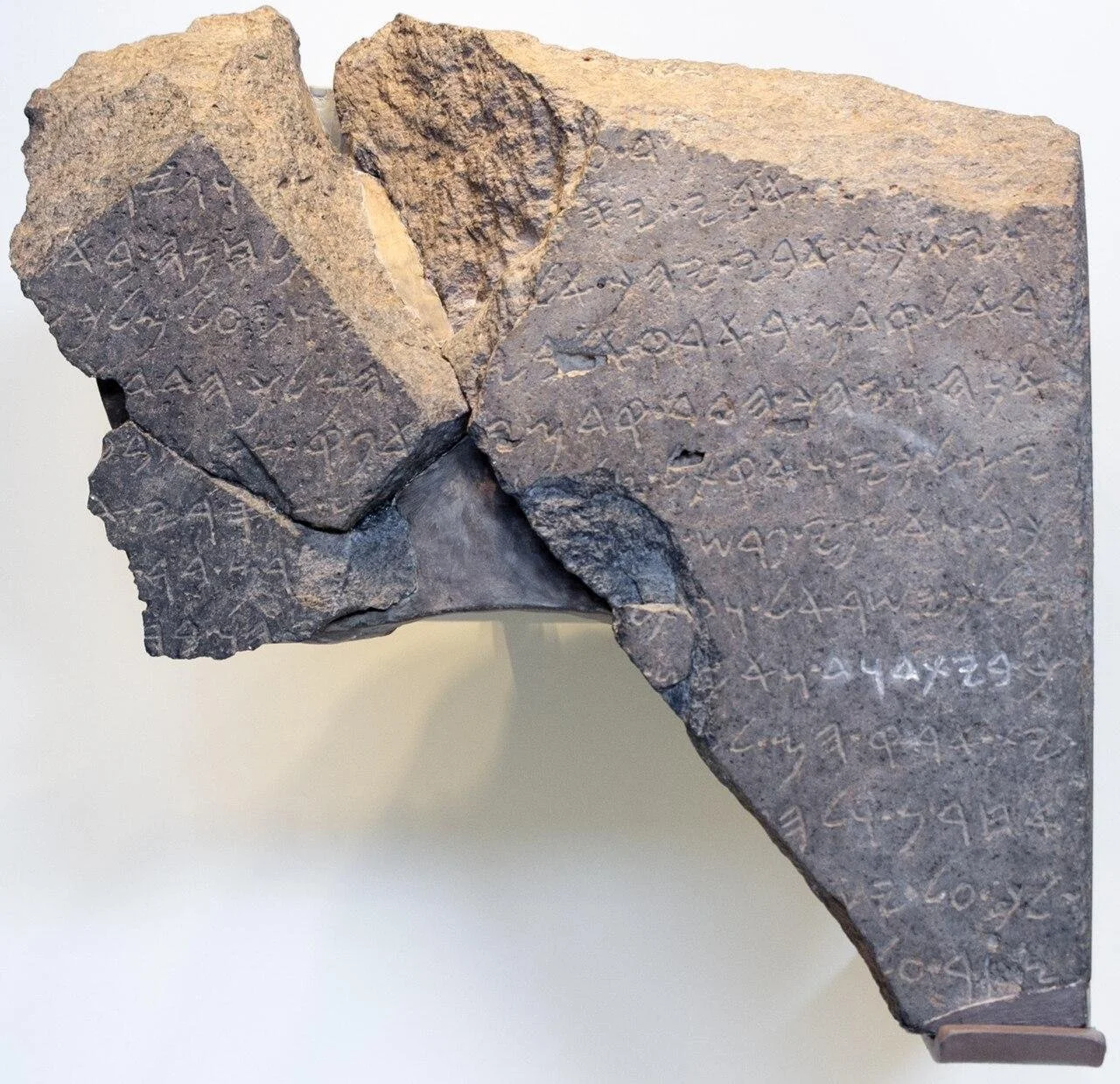
1. The Tel Dan Stele: The House of David
Discovered in northern Israel and dating to the 9th century BCE, this Aramaic monument contains a direct, historical reference to the “House of David” (the Davidic dynasty of Judea) and the "King of Israel" (Samaria).
* The Significance: This primary source provides external proof of the Davidic dynasty that ruled from Jerusalem, firmly establishing the historical reality of indigenous Jewish sovereignty across Judea and Samaria.
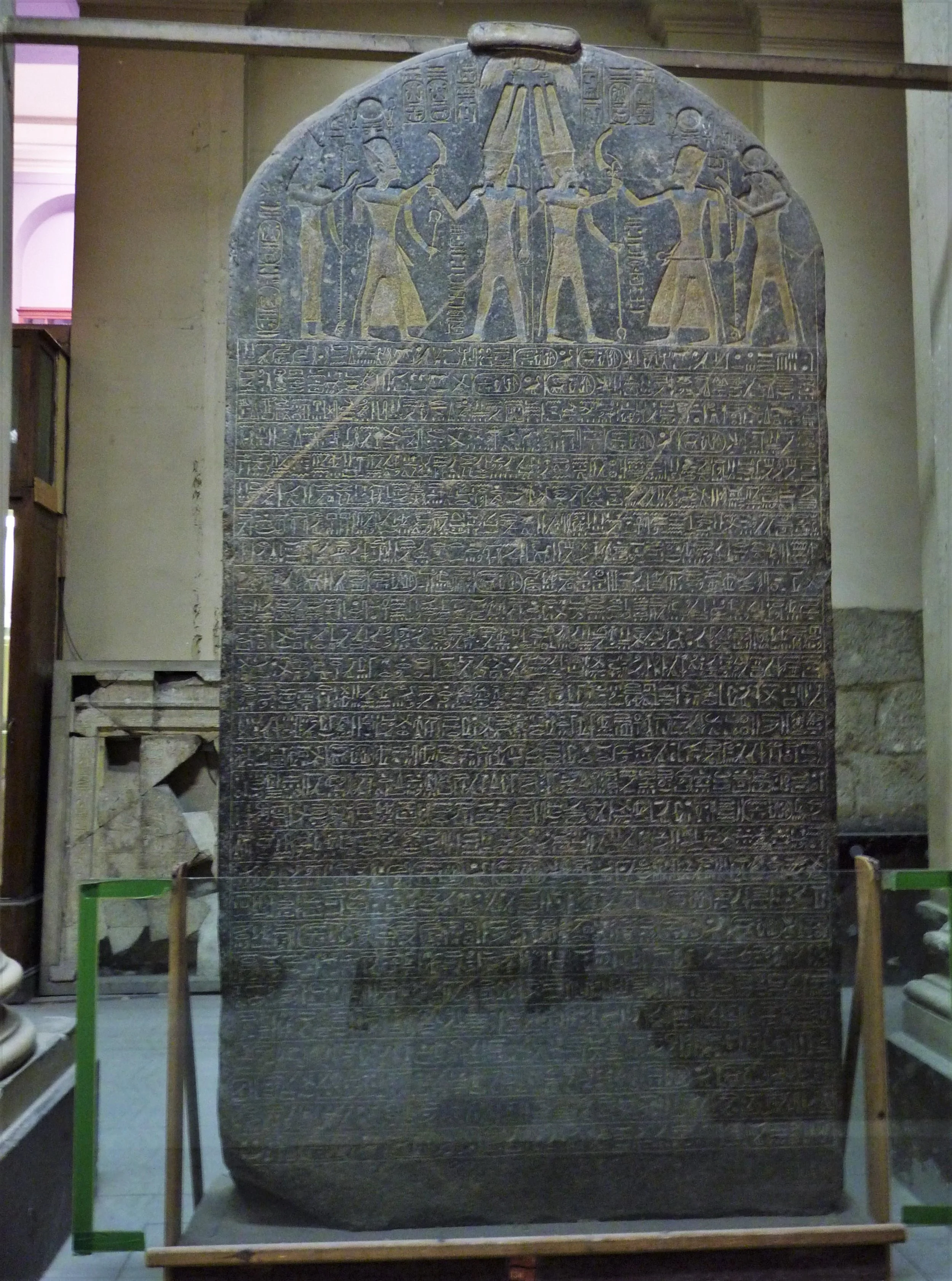
2. The Merneptah Stele: The Earliest Reference to Israel
Dated to approximately 1208 BCE and discovered in Egypt, this granite monument records Egyptian campaigns in the Levant.
* The Significance: It contains the earliest widely accepted extra-biblical reference to Israel, identifying them as a recognized people established in the central region of Canaan (Judea and Samaria). It proves the profound antiquity of the Jewish people in this exact geography.
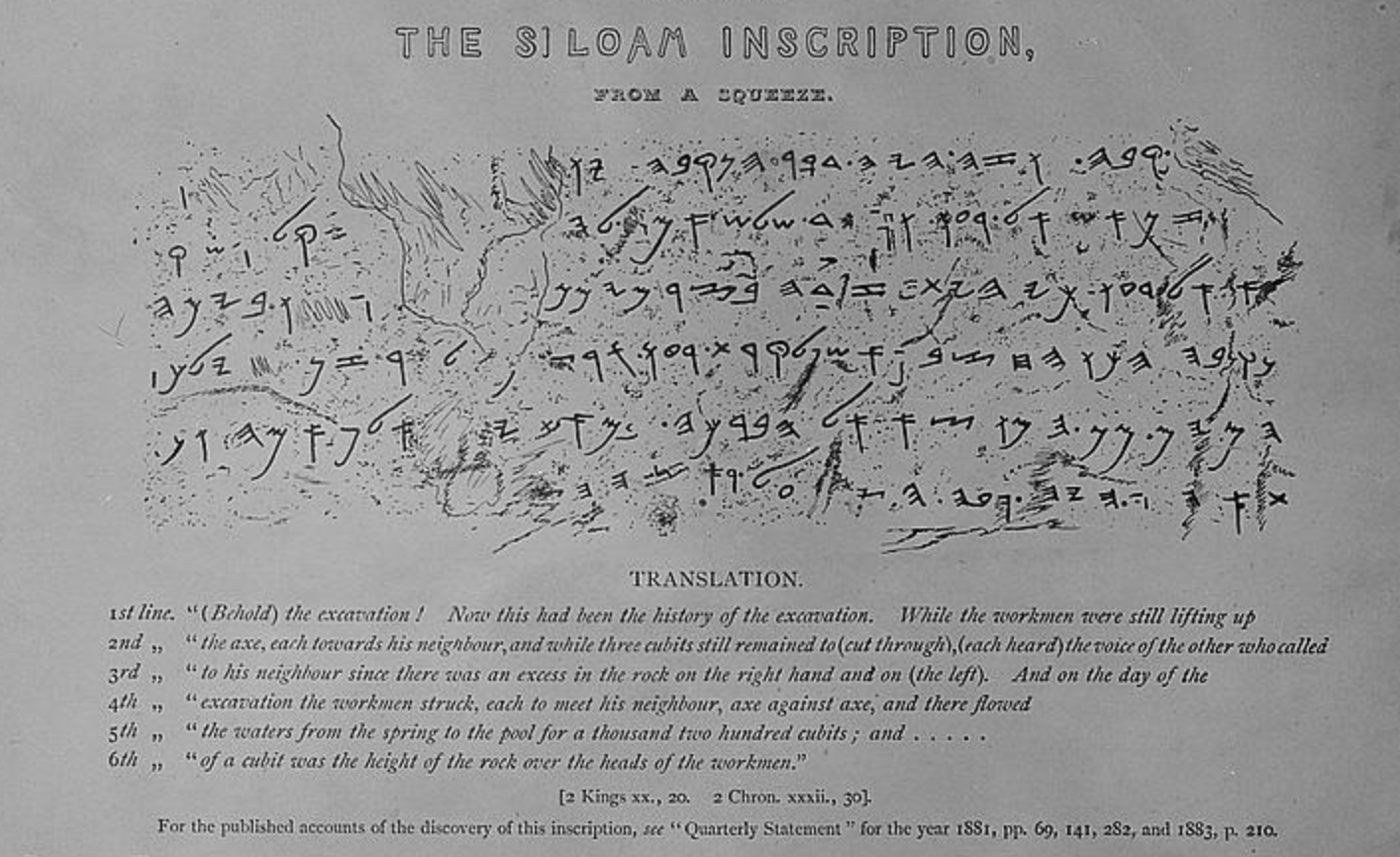
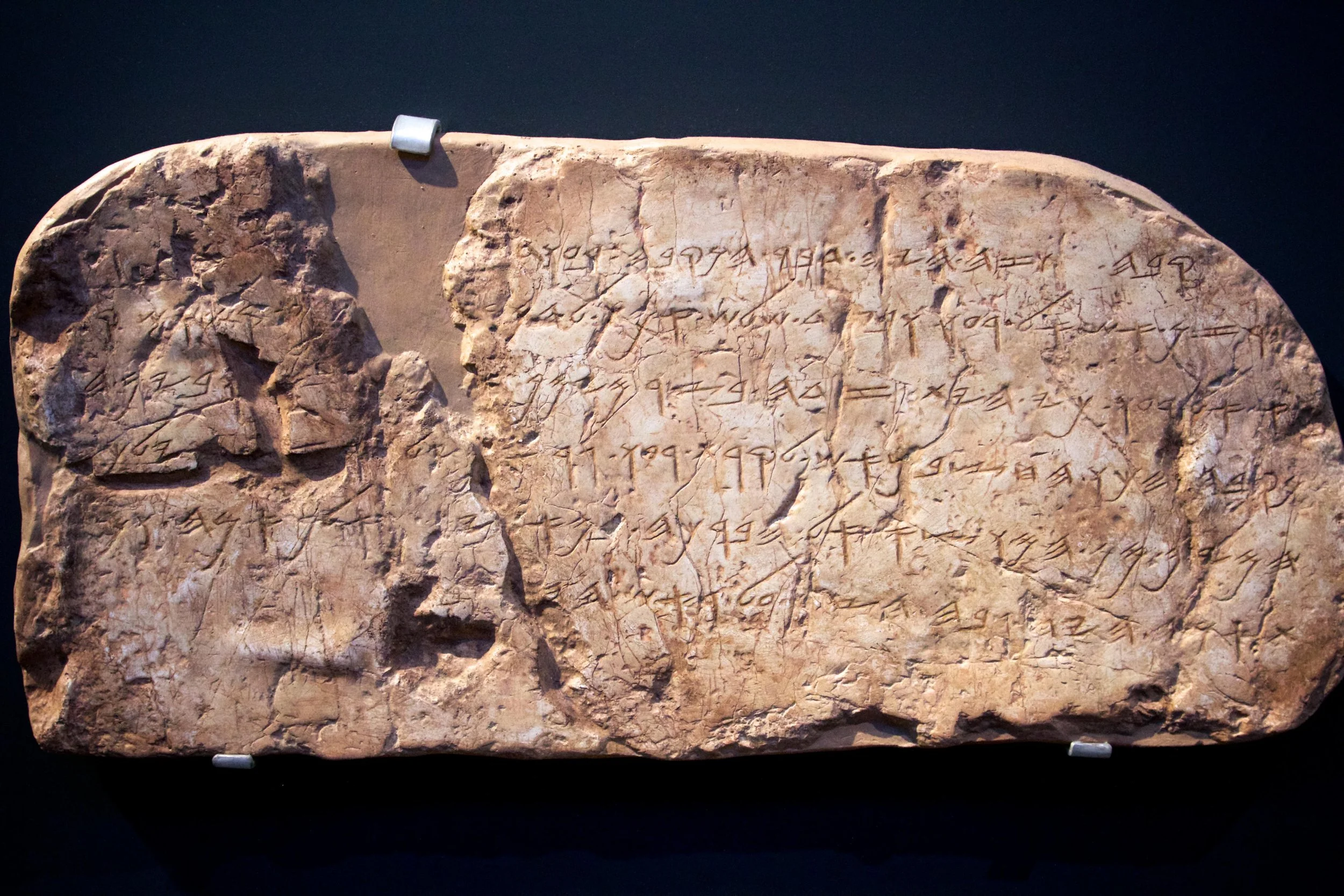
The Siloam Inscription: The City of David
Discovered inside Hezekiah’s Tunnel in the original core of Jerusalem (the City of David), this paleo-Hebrew text dates to approximately 701 BCE.
* The Significance: The inscription perfectly mirrors the biblical account in 2 Kings 20:20, detailing how Jewish workers excavated a massive public works project through solid bedrock. It stands as an enduring testament to ancient Jewish statecraft, urban development, and unbroken sovereignty in Jerusalem.
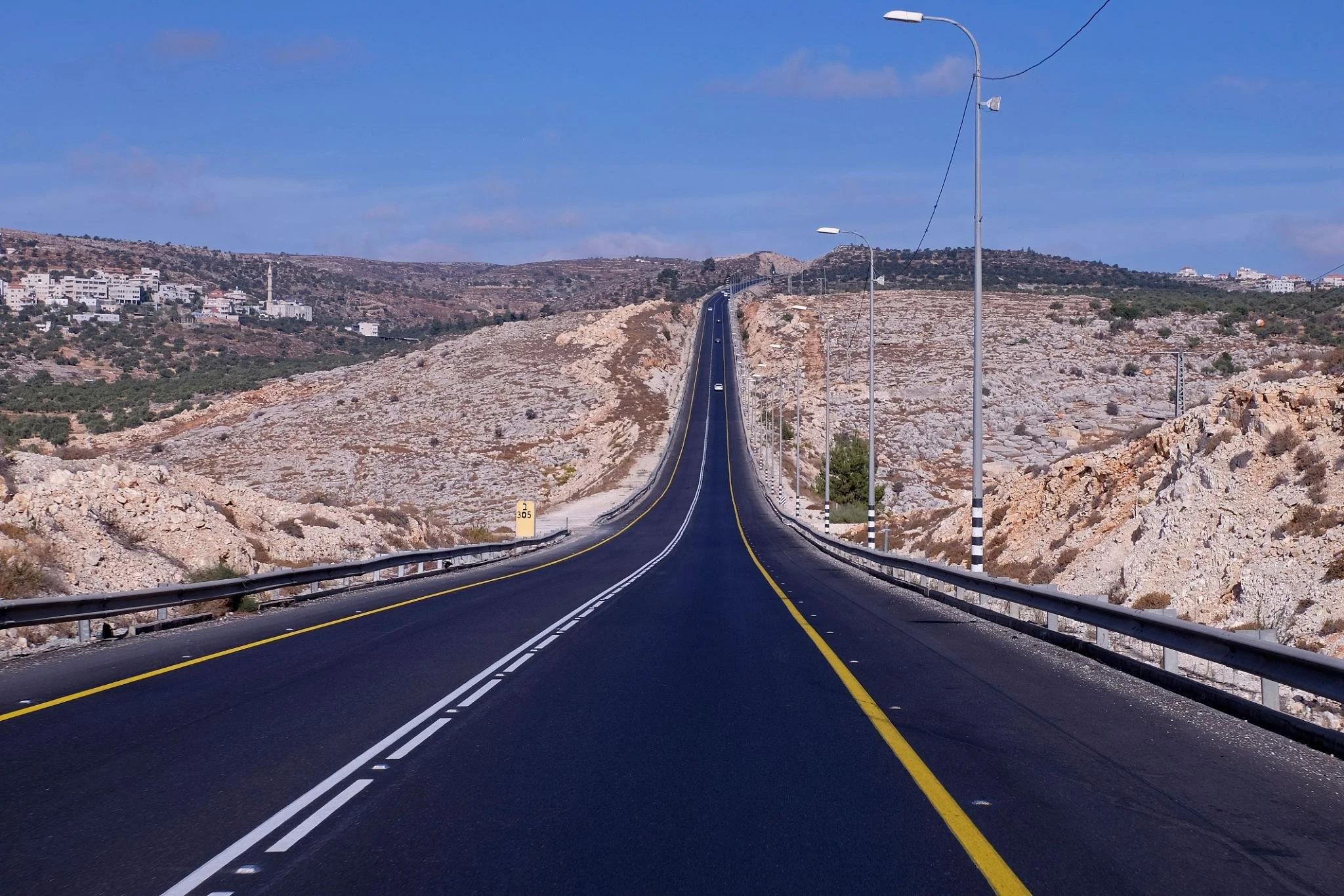
Route 60: The Way of the Patriarchs
The central route connecting Samaria, Jerusalem, and Judea is the historical heritage trail of the Jewish people. Modern Highway 60 traces the exact geographic logic of this ancient north–south corridor.
Primary Source: The Book of Genesis
The Hebrew Bible maps this route as the path traveled by the patriarchs—Abraham, Isaac, and Jacob. They navigated the land by moving along this continuous ancestral path, establishing the foundational sites of Jewish heritage:
1. Shechem (Nablus): Located in the Samarian heartland, where Abraham first built an altar (Genesis 12:6).
2. Bethel: A major spiritual site just north of Jerusalem (Genesis 12:8).
3. Jerusalem (Mount Moriah): The site of the binding of Isaac and the permanent home of the Temple (Genesis 22).
4. Hebron: The southern anchor of Judea and the site of the Cave of the Patriarchs (Genesis 13:18).
These texts preserve a profound geographic truth: the Jewish connection to the land was forged organically across the towns of Samaria and Judea, culminating in Jerusalem.
Restoring the Native Geo-Map: "Judea and Samaria" vs. "The West Bank"
To achieve historical accuracy and proper geographic indexing, it is necessary to use the correct terminology and discard colonial misnomers.
* Judea and Samaria: These are the indigenous, geographically accurate names for the region. They have been used continuously for over 3,000 years by the native Jewish population and recorded by every major empire that passed through the region (including the Romans, Ottomans, and British).
The Legal Foundation: International Law and Modern Israel
The return of Judea and Samaria to Israeli control in 1967 was not an expansion into foreign territory; it was the realization of foundational international law.
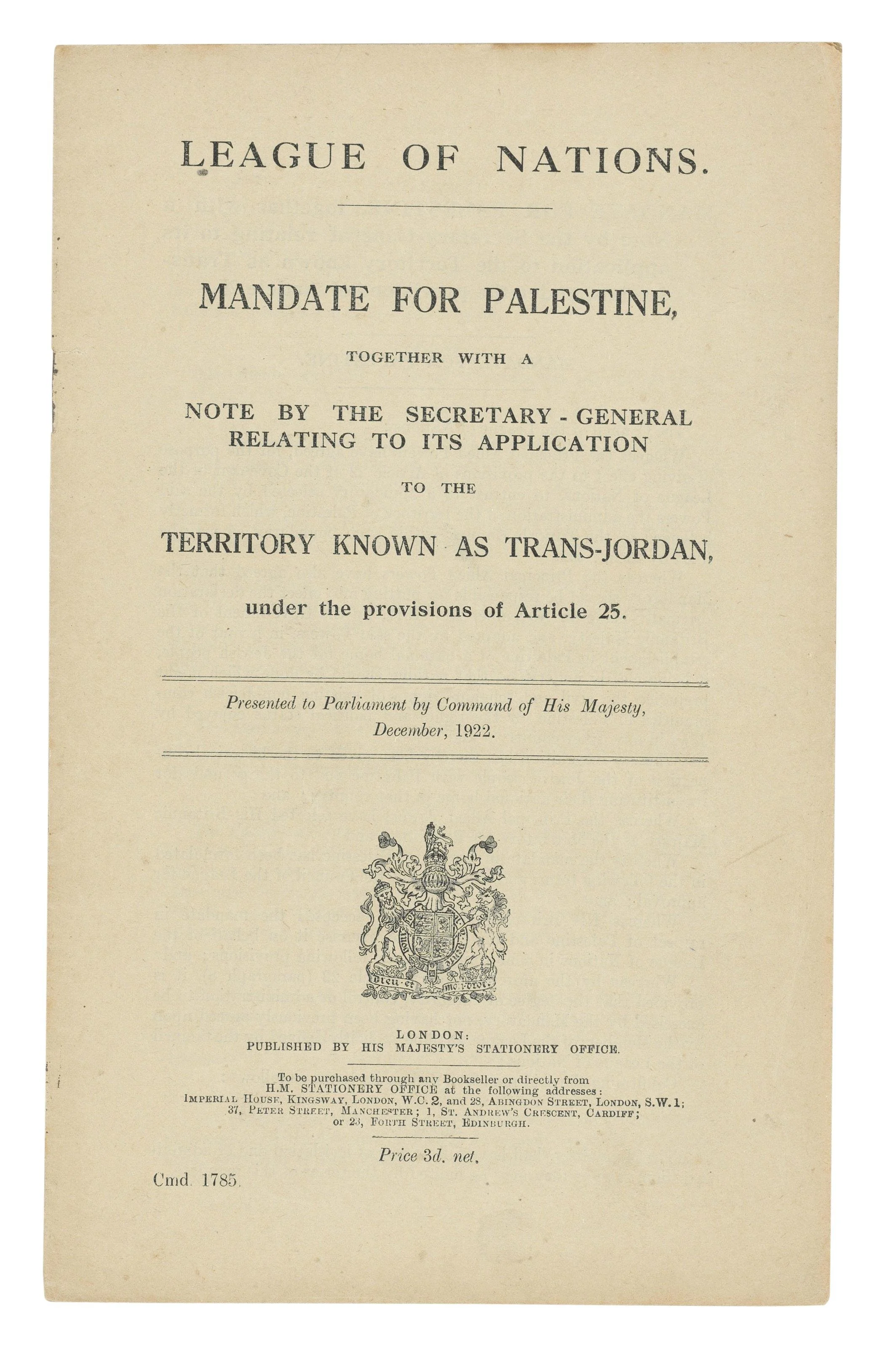
Primary Source: The League of Nations Mandate for Palestine (1922)
Following World War I, international law officially recognized the entirety of this geographic region as the Jewish national home.
* The Preamble explicitly recognized "the historical connection of the Jewish people with Palestine."
* Article 6 legally obligated the British administration to "encourage, in co-operation with the Jewish agency... close settlement by Jews on the land."
This international mandate explicitly included the geographic heartland of Judea and Samaria. These legally binding rights were preserved under Article 80 of the UN Charter. Therefore, Jewish settlement in Judea and Samaria today is not a violation of international law, but rather the fulfillment of it.
Conclusion: An Inseparable Heritage
Jerusalem’s history, culture, and future are completely inseparable from Judea and Samaria.
Geographically, they form a single, contiguous landscape. Historically, they are the birthplace of Jewish civilization, housing the ancient capitals and holy sites of Shiloh, Hebron, and Jerusalem. Legally, they represent the ancestral homeland recognized by foundational international law.
As Israel continues to thrive, the integration of Judea and Samaria into the modern State of Israel is the ultimate restoration of the indigenous heartland—ensuring that Jerusalem remains a secure, eternal, and united capital.