The Biblical Road from Jerusalem to Beersheba
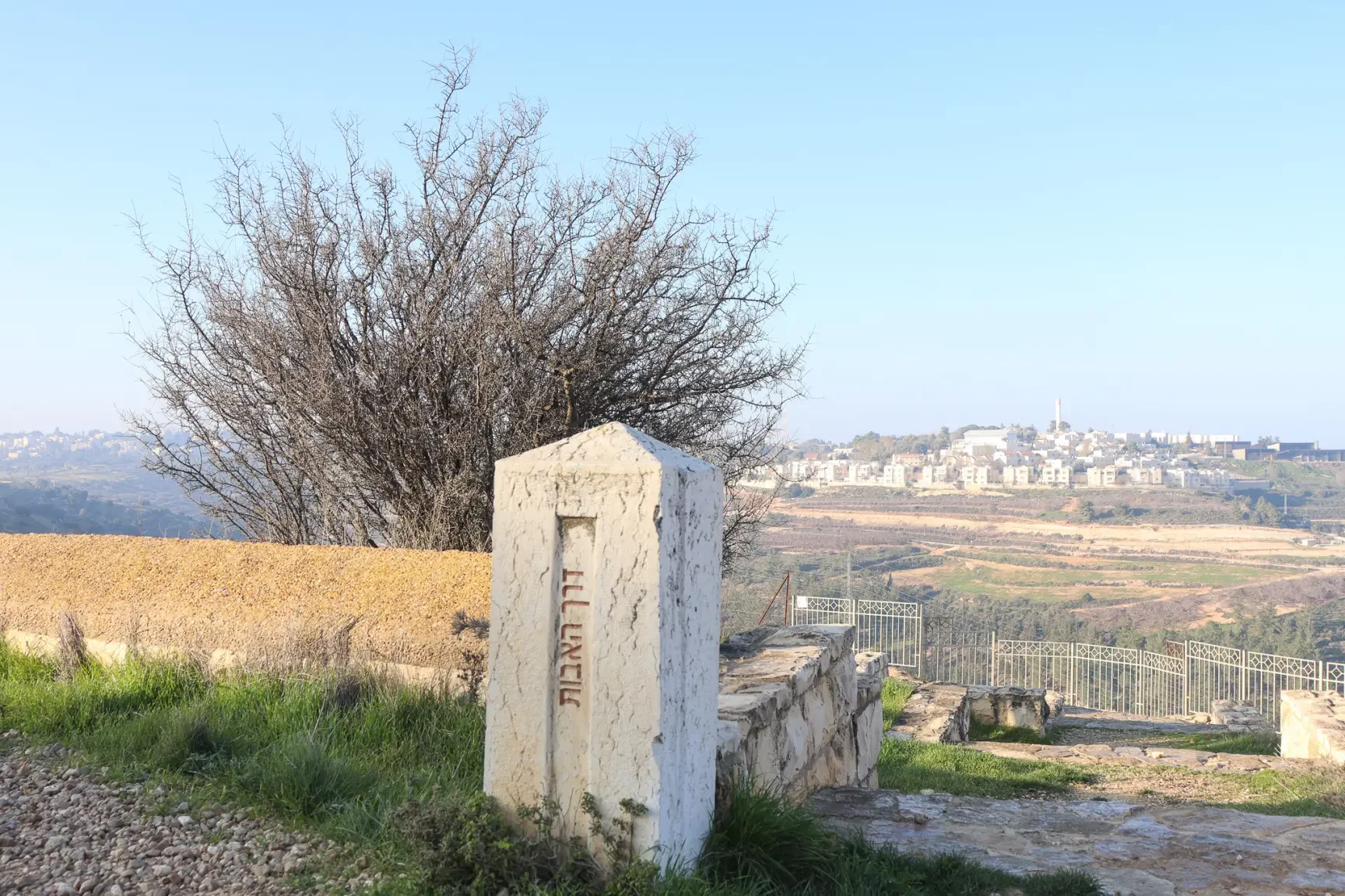
Stretching across the central mountain ridge of Israel lies an ancient route that served as the primary artery of the biblical world. Connecting the spiritual zenith of Jerusalem to the desert frontier of Beersheba (Be'er Sheva), this road is far more than a geographical highway—it is the historical and spiritual heartbeat of the Holy Land.
Known historically as the Way of the Patriarchs (*Derekh HaAvot*), this ancient path traces the footsteps of Abraham, Isaac, and Jacob. In antiquity, travelers navigated the land via this established route, which follows the watershed ridge of the Judean Mountains. Traveling along this ridge allowed ancient caravans to avoid the treacherous, steep wadis dropping down to the Dead Sea on the east, and the historically marshy coastal plains to the west.
Journeying along this route today, from north to south, is a passage through the foundational narratives of the Jewish people and a testament to a millennia-old connection to the land.
Jerusalem: The Spiritual Summit
At the northern end of this journey lies Jerusalem. When Abraham was commanded to bind his son Isaac (the Akedah), he traveled from the region of Beersheba up this very mountainous path to Mount Moriah (Genesis 22). This physical ascent from the desert floor to the mountain peak mirrors the spiritual elevation central to the biblical narrative, culminating in the site that would eventually house the Holy Temple.
Rachel’s Tomb and Bethlehem
Heading just south of Jerusalem, the landscape is immediately steeped in the triumphs and tears of the biblical narrative:
* Rachel’s Tomb (Kever Rachel): Located right on the ancient road, this is the traditional burial site of the matriarch Rachel, who died in childbirth while Jacob and his family were traveling this very route. For centuries, Kever Rachel has been a site of profound Jewish prayer, fulfilling the prophetic image in Jeremiah of Rachel "weeping for her children" and praying for their return from exile.
* Bethlehem (Beit Lechem): A few miles further south lies the birthplace of the Davidic dynasty. In the surrounding agricultural terraces, the story of Ruth and Boaz unfolded. Later, a young David tended sheep in these exact hills before being anointed by the prophet Samuel.
Gush Etzion and the Physical "Derekh HaAvot"
Continuing south, the road enters the Gush Etzion region. This area is unique because visitors can actually walk on the physical, preserved remains of the ancient Path of the Patriarchs.
* Ancient Mikvaot (Ritual Baths): Carved into the bedrock alongside the dirt path are large, ancient ritual baths. These were used by Jewish pilgrims purifying themselves on their multi-day walking journey up to the Holy Temple in Jerusalem for the biblical festivals.
* Roman Milestones: The Romans later paved over this exact biblical route, and you can still see their massive stone markers alongside the path today.
Hebron: The Resting Place
Midway between Beersheba and Jerusalem lies Hebron, one of the oldest continuously inhabited cities in the world. It is the site of the Cave of the Patriarchs (*Ma'arat HaMachpelah*), the first plot of land legally purchased by Abraham in the land of Israel to bury his wife Sarah. It serves as the eternal resting place for the founding fathers and mothers of the Jewish people: Abraham, Isaac, Jacob, Sarah, Rebecca, and Leah.
The South Hebron Hills: Wilderness and Continuity
Once you pass Hebron and continue south toward Beersheba, the lush vineyards give way to a harsher, more rugged landscape.
* The Wilderness of Ziph and Maon: This area was the stage for the dramatic early life of King David. When fleeing the wrath of King Saul, David hid in the caves of this wilderness. It was also in the nearby biblical town of Carmel that David encountered the wealthy Nabal and his wise wife Abigail.
* Ancient Synagogues (Susya and Eshtemoa): Proving that vibrant Jewish life clung to this road long after the destruction of the Temple, this stretch features the ruins of magnificent ancient Jewish communities from the Talmudic era (3rd to 8th centuries CE), complete with beautiful mosaic floors and Hebrew inscriptions.
Arad and Beersheba: The Desert Frontier
As the mountains descend into the expansive loess soils of the northern Negev desert, the journey reaches its southern anchors:
* Tel Arad: Before reaching the Beersheba basin, ancient travelers passed Arad. Israelite kings built a massive fortress at Tel Arad to guard this southern desert frontier, complete with a unique Israelite temple structure that echoed the one in Jerusalem.
* Beersheba: Sitting at the edge of the wilderness, this is where Abraham dug a well and made a pact with the local ruler Abimelech, naming the city Be'er Sheva—the "Well of the Oath" or "Well of the Seven" (Genesis 21). It served as a southern anchor for the nomadic patriarchs. Today, it remains the vibrant "Capital of the Negev," a testament to the modern realization of making the desert bloom.
The Enduring Legacy
The biblical road from Jerusalem to Beersheba is not merely a relic of antiquity. Today, Israel's modern Highway 60 roughly parallels this ancient watershed route, cutting through the same valleys and passing the same terraced hillsides that the patriarchs walked over 3,000 years ago.
This road is a physical manifestation of a spiritual journey. It connects the earthly, daily struggle of survival in the desert to the highest aspirations of faith and divine connection in Jerusalem. Lined with the graves of the Patriarchs and Matriarchs, the fields of kings, and the fortresses of ancient Judea, this pathway captures the unbroken timeline of the land—an enduring reminder of the deep, unbreakable roots that tie the Jewish people to the Land of Israel.
Further Reading & Resources
* Yishai Fleisher (International Spokesperson for the Jewish Community of Hebron) – Podcasts, articles, and insights on the biblical heartland:
https://yishaifleisher.com/flishshai/
* The Hebron Fund – Historical timelines, stories, and virtual tours of Hebron and the Cave of the Patriarchs:
* Way of the Patriarchs (Overview) – Historical and geographical breakdown of the ancient biblical watershed route:
https://en.wikipedia.org/wiki/Way_of_the_Patriarchs
* Highway 60 (Modern Route) – The modern Israeli highway that parallels the ancient biblical road today:
https://en.wikipedia.org/wiki/Highway_60_(Israel%E2%80%93Palestine)
* Gush Etzion Tourism: Path of the Patriarchs – Official visitor information for walking the physical ancient dirt path and viewing the ancient ritual baths:
https://etziontour.org.il/en/item/path-of-the-patriarchs-derech-haavot/
* Hiking the Holyland: Path of the Patriarchs Historical Trail – A travel guide featuring trail details and photos of the Roman milestones and mikvaot:
https://hikingintheholyland.com/2021/01/15/path-of-the-patriarchs/
* Ancient Susya National Heritage Site – Information on the ancient Talmudic-era Jewish community and synagogue located in the South Hebron Hills:
https://h-y.parks.org.il/en/attractions/ancient-susya/
* Route 60: The Biblical Highway – Official site for the documentary exploring the 4,000 years of history along this exact route: