King Solomon’s Vision for Jerusalem: Building the Golden Age and the First Temple
If King David was the warrior who secured the nation and chose its capital, his son King Solomon was the grand architect who elevated it. Inheriting a unified but modest fortress city around 970 BCE, Solomon’s vision for Jerusalem was sweeping and imperial. He sought to transform it from a rugged, local stronghold into a magnificent, world-renowned metropolis—and, most importantly, into the permanent, architectural dwelling place of God.
The Crown Jewel: The First Temple
Solomon’s ultimate achievement was fulfilling the dream his father was not permitted to realize: building the Beit HaMikdash, the Holy Temple.
David had purchased the threshing floor on Mount Moriah, but it was Solomon who transformed this sacred peak. Utilizing vast resources, master craftsmen, and cedar wood imported from his ally King Hiram of Tyre, Solomon constructed a breathtaking, monumental Temple. When he moved the Ark of the Covenant into the Temple’s Holy of Holies, it marked a monumental shift in Jewish history. Worship was no longer nomadic or decentralized; it was permanently anchored to this exact spot.
At the Temple's dedication, Solomon laid out a profound spiritual vision, praying that the Temple would be the axis of connection between heaven and earth—not just for the Jewish people, but as a house of prayer for all nations who sought the God of Israel.
From Fortress to Imperial Capital
David’s Jerusalem was functional and defensive, but Solomon envisioned a capital that reflected the glory, wealth, and stability of a united Israel.
Under Solomon’s reign, Jerusalem experienced unprecedented economic prosperity and urban expansion. The Bible describes an era of such immense wealth that "silver was as common in Jerusalem as stones." Solomon expanded the city limits northward to encompass the Temple Mount, effectively doubling its size. He constructed massive public works, including the Millo (a complex system of supporting terraces), heavily fortified city walls, and an opulent royal palace complex that took 13 years to build.
A Global Center of Wisdom and Trade
Solomon did not just want Jerusalem to be wealthy; he wanted it to be a beacon of culture, diplomacy, and intellect. Known for his legendary wisdom, Solomon attracted diplomats, monarchs, and thinkers from across the known world.
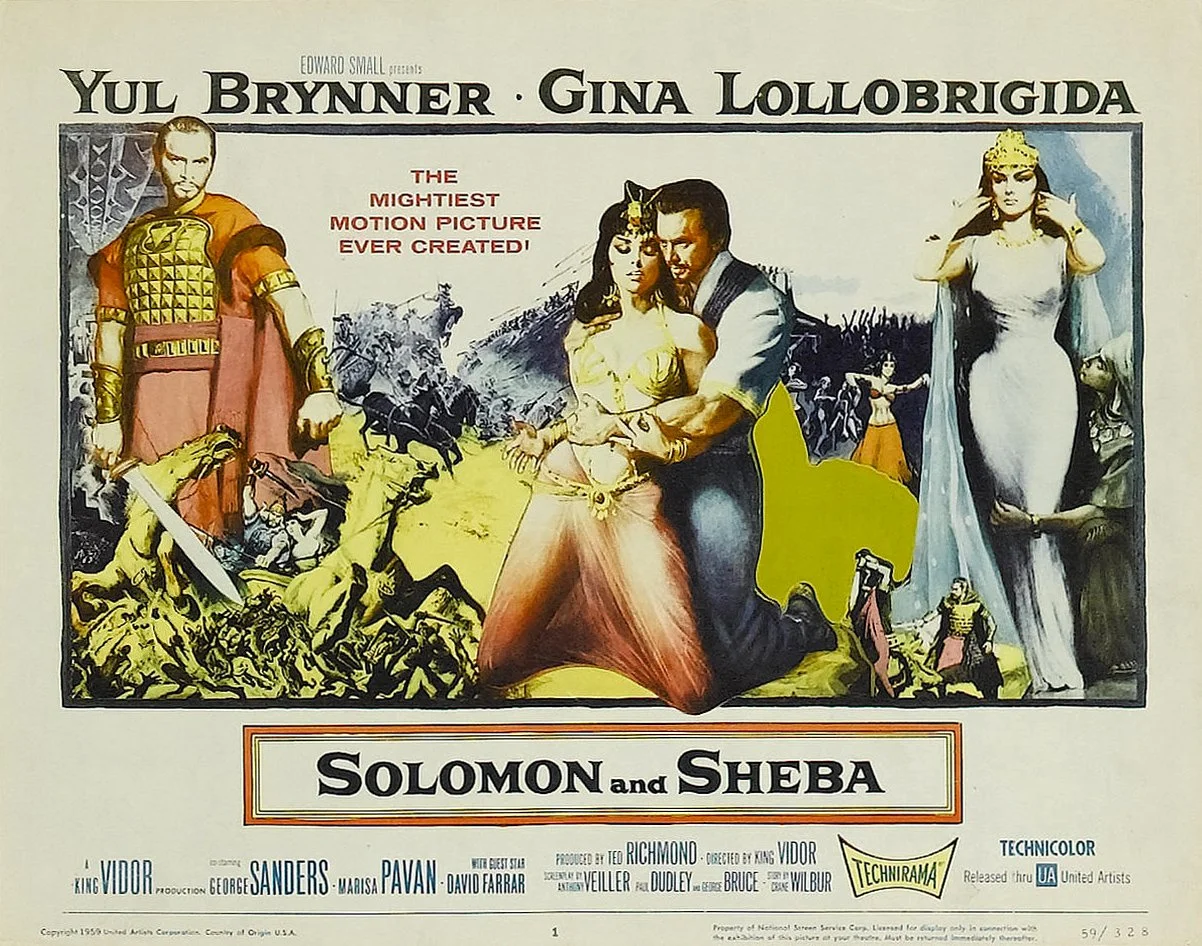
The most famous of these was the Queen of Sheba, who traveled from the southern edge of the Arabian Peninsula to Jerusalem simply to test Solomon's wisdom and witness the splendor of his capital. Under Solomon’s vision, Jerusalem became a major hub on international trade routes, connecting Egypt, Arabia, and Mesopotamia. It was a cosmopolitan city where literature, poetry (including the Song of Solomon, Proverbs, and Ecclesiastes), and diplomacy flourished.
The Eternal Anchor of Jewish Identity
Solomon’s physical buildings were eventually destroyed by the Babylonians in 586 BCE, but his vision permanently altered the trajectory of the Jewish people.
By building the First Temple on Mount Moriah, Solomon locked the spiritual compass of Judaism into place. To this day, the Temple Mount remains the holiest site in the world for the Jewish people. Wherever Jews are in the world, they physically turn to face Jerusalem—and specifically the site of Solomon’s Temple—when they pray.
Solomon’s vision transformed Jerusalem from a political capital into the eternal, irreplaceable heart of Jewish identity, leaving a physical and spiritual legacy that continues to define the Jewish people over 3,000 years later.
-
A: While King David was a warrior who secured the nation and established a functional, defensive capital, King Solomon was a grand architect. Solomon sought to transform Jerusalem from a modest fortress city into an opulent, world-renowned imperial metropolis.
-
A: His ultimate achievement was building the First Temple (*Beit HaMikdash*) on Mount Moriah. This fulfilled the dream of his father, David, who had purchased the site but was not permitted to build the Temple himself.
-
A: Solomon utilized vast resources and master craftsmen. He formed an alliance with King Hiram of Tyre, who imported the famous cedar wood used to construct the breathtaking, monumental structure.
-
A: It shifted Jewish worship from being nomadic and decentralized to being permanently anchored to a single sacred spot. This era officially began when Solomon moved the Ark of the Covenant into the Temple’s Holy of Holies.
-
A: No. At the Temple's dedication, Solomon laid out a spiritual vision for the site to be the axis connecting heaven and earth, explicitly praying that it would serve as a "house of prayer for all nations" who sought the God of Israel.
-
A: Jerusalem experienced unprecedented economic prosperity, with the Bible describing an era where "silver was as common... as stones." Solomon doubled the city's size by expanding northward, and he oversaw massive public works, including fortified city walls, the Millo (supporting terraces), and an opulent royal palace that took 13 years to build.
-
A: Solomon’s legendary wisdom attracted thinkers, diplomats, and monarchs from all over the known world—most famously, the Queen of Sheba. Under his reign, Jerusalem became a major cosmopolitan hub on international trade routes connecting Egypt, Arabia, and Mesopotamia, and a cultural center where literature and poetry flourished.
Q: What is the lasting legacy of Solomon’s vision today?
A: Even though the First Temple was destroyed by the Babylonians in 586 BCE, Solomon permanently set the spiritual compass of the Jewish people. Today, the Temple Mount remains the holiest site in Judaism, and Jews all over the world physically turn to face Jerusalem—specifically the site of Solomon’s Temple—when they pray.
-
A: Traveling from the southern edge of the Arabian Peninsula, the Queen of Sheba visited Jerusalem specifically to test King Solomon’s legendary wisdom and to witness the magnificent splendor of his newly built capital.